Have you ever read a sentence that felt alive? That is often because of a simile.
A simile compares two things using the words “like” or “as.” In simple terms, it helps readers see and feel what you mean. For example, you might say, “The argument was like a storm.” That is a metaphor for conflict, but written as a simile.
Strong similes make your writing clear and powerful. They turn plain words into pictures. This is why creative writing similes are so important. They help readers understand emotions, action, and tension. They also make your simile sentences more fun and easy to remember.
In this guide, let’s explore the meaningaof similes, look at examples of similes in real sentences, and learn how to use similes in writing. By the end, you will be able to create strong similes on your own.
20 Strong Similes as a Metaphor for Conflict (With Meaning and Examples)
Below are 20 powerful similes. Each one works as a metaphor for conflict and shows tension or struggle.
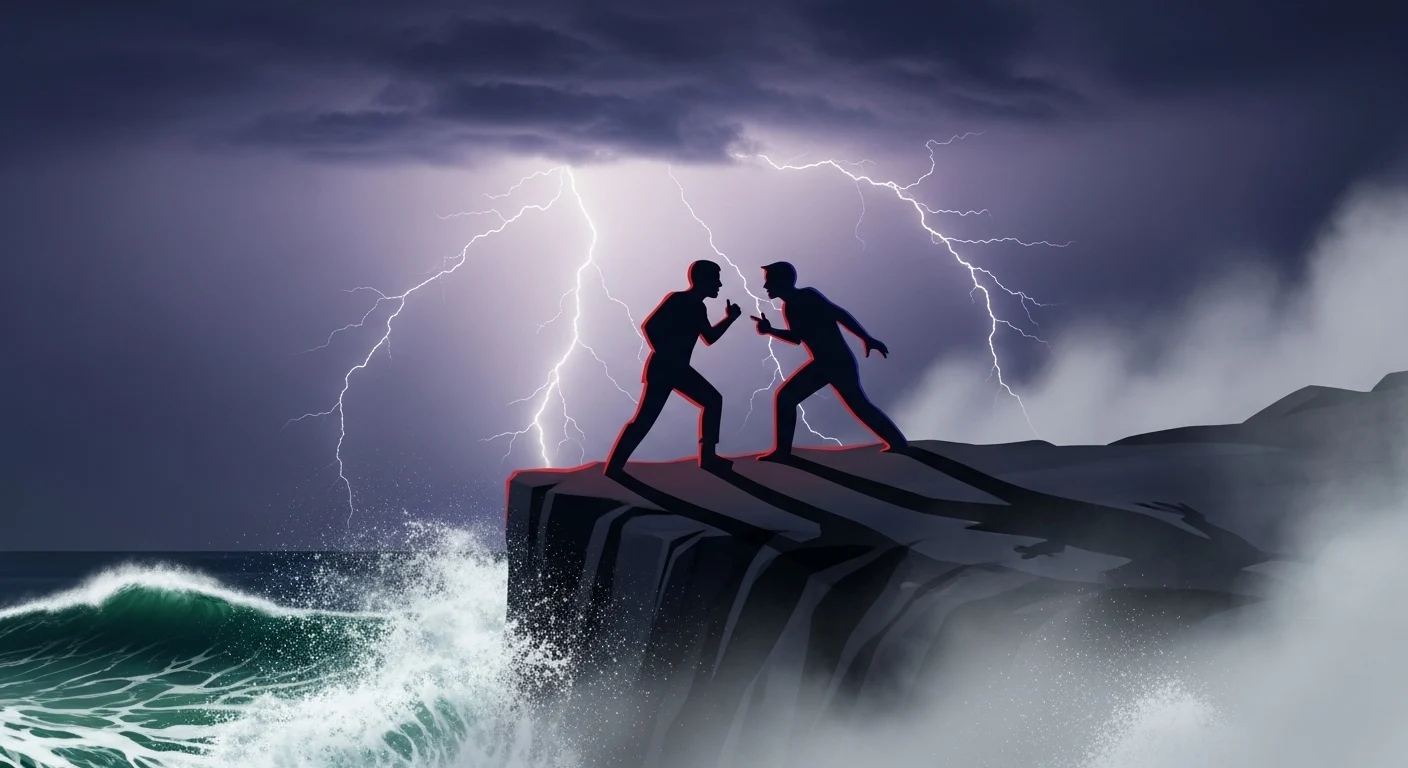
1. “The argument was like a thunderstorm.”
Meaning: The conflict was loud and intense.
Explanation: Thunderstorms are sudden and powerful, just like heated fights.
Example 1: Their meeting was like a thunderstorm, full of sharp words.
Example 2: The debate hit like a thunderstorm in the quiet room.
2. “Their rivalry burned like fire.”
Meaning: The conflict was strong and hard to control.
Explanation: Fire spreads fast and can destroy things.
Example 1: Their rivalry burned like fire all season.
Example 2: The anger burned like fire between them.
3. “The tension hung like heavy fog.”
Meaning: The conflict felt thick and hard to ignore.
Explanation: Fog makes it hard to see, just like tension clouds a room.
Example 1: The tension hung like heavy fog at dinner.
Example 2: In class, silence hung like heavy fog after the fight.
4. “Their words cut like knives.”
Meaning: The conflict was painful.
Explanation: Knives hurt, and so do harsh words.
Example 1: His words cut like knives during the breakup.
Example 2: The insults cut like knives in front of everyone.
5. “The debate roared like a lion.”
Meaning: The conflict was loud and fierce.
Explanation: Lions roar when they feel strong or angry.
Example 1: The debate roared like a lion in the hall.
Example 2: Their voices roared like lions in battle.
6. “The fight spread like wildfire.”
Meaning: The conflict grew very fast.
Explanation: Wildfires move quickly and are hard to stop.
Example 1: Rumors spread like wildfire after the fight.
Example 2: The anger spread like wildfire online.
7. “Their clash was like crashing waves.”
Meaning: The conflict kept coming back.
Explanation: Waves crash again and again.
Example 1: Their clash was like crashing waves at work.
Example 2: The arguments came like crashing waves.
8. “The room felt like a ticking bomb.”
Meaning: The conflict was about to explode.
Explanation: A ticking bomb signals danger.
Example 1: The meeting felt like a ticking bomb.
Example 2: Silence sat like a ticking bomb between them.
9. “The dispute twisted like a snake.”
Meaning: The conflict changed direction often.
Explanation: Snakes move in sudden, winding ways.
Example 1: The dispute twisted like a snake in court.
Example 2: The story twisted like a snake during the trial.
10. “Their anger boiled like hot water.”
Meaning: The conflict built up over time.
Explanation: Water boils when heat rises slowly.
Example 1: His anger boiled like hot water all day.
Example 2: The team’s anger boiled like hot water before the game.
11. “The argument hit like a hammer.”
Meaning: The conflict was sudden and strong.
Example 1: The news hit like a hammer.
Example 2: Her words hit like a hammer in the silence.
12. “The tension snapped like a tight rope.”
Meaning: The conflict reached its limit.
Example 1: His patience snapped like a tight rope.
Example 2: The mood snapped like a tight rope under stress.
13. “Their rivalry was like a chess match.”
Meaning: The conflict was smart and strategic.
Example 1: Their rivalry was like a chess match in court.
Example 2: The campaign felt like a chess match.
14. “The disagreement echoed like thunder.”
Meaning: The conflict had lasting impact.
Example 1: The disagreement echoed like thunder in her mind.
Example 2: The speech echoed like thunder across the town.
15. “The fight was like a volcano ready to erupt.”
Meaning: The conflict was building up.
Example 1: Their fight was like a volcano ready to erupt.
Example 2: His silence was like a volcano ready to erupt.
16. “The standoff stood like a brick wall.”
Meaning: The conflict would not move forward.
Example 1: Talks stood like a brick wall.
Example 2: Their standoff stood like a brick wall.
17. “Their clash sparked like flint and steel.”
Meaning: The conflict began quickly.
Example 1: Their clash sparked like flint and steel.
Example 2: The debate sparked like flint and steel.
18. “The argument churned like a stormy sea.”
Meaning: The conflict was messy and wild.
Example 1: The case churned like a stormy sea.
Example 2: His thoughts churned like a stormy sea.
19. “Their battle was like a tug-of-war.”
Meaning: Both sides pulled with equal force.
Example 1: Their battle was like a tug-of-war over money.
Example 2: The project felt like a tug-of-war.
20. “The feud lingered like a dark cloud.”
Meaning: The conflict lasted a long time.
Example 1: The feud lingered like a dark cloud.
Example 2: Sadness lingered like a dark cloud after the fight.
These examples of similes show how simple comparisons can add strong emotion to your writing.
Practice Time: 10 Interactive Simile Questions
Let’s practice how to use similes in writing.
1. What word must a simile use?
Answer: Like or as.
Explanation: That is what makes it a simile.
2. Complete this: “The argument was like a .”
Answer: Storm.
Explanation: A storm shows noise and chaos.
3. Is this a simile? “Her words were knives.”
Answer: No.
Explanation: That is a metaphor. It does not use like or as.
4. Which is stronger? “He was mad” or “He was as mad as a raging bull”?
Answer: The second.
Explanation: It creates a clear image.
5. What does “tension hung like fog” suggest?
Answer: Thick, hard-to-ignore stress.
Explanation: Fog blocks sight, like tension blocks comfort.
6. Complete this: “The fight spread like .”
Answer: Wildfire.
Explanation: It shows speed.
7. Why are creative writing similes helpful?
Answer: They create images.
Explanation: Images help readers feel the story.
8. Turn this into a simile: “The room was tense.”
Answer: The room was tense like a ticking bomb.
Explanation: It shows danger.
9. Is “as quiet as a mouse” a simile?
Answer: Yes.
Explanation: It uses “as.”
10. What is the main goal of strong similes?
Answer: To make writing vivid and clear.
Explanation: Strong images stay in the reader’s mind.
Conclusion
Now you understand the meaningaof similes and how they work as a metaphor for conflict. Strong similes turn simple ideas into powerful images. They make your simile sentences clearer, more emotional, and more fun to read.
For example, instead of saying “They fought,” you might say, “They fought like crashing waves.” That small change makes a big impact.
As you practice, think about what the conflict feels like. Is it loud like thunder? Slow like boiling water? Let’s explore your own ideas. The more you practice how to use similes in writing, the stronger your creative voice will become.
Now it’s your turn. Write three strong similes today and bring your stories to life.