Metaphor for Sad: 20 Powerful Similes That Make Feelings Come Alive
In simple terms, a simile is a way to compare two things using like or as. For example, “sad like a rainy day.” The meaning of similes is simple: they help readers see and feel emotions instead of just hearing about them. When you use strong similes, your writing becomes clear, emotional, and real.
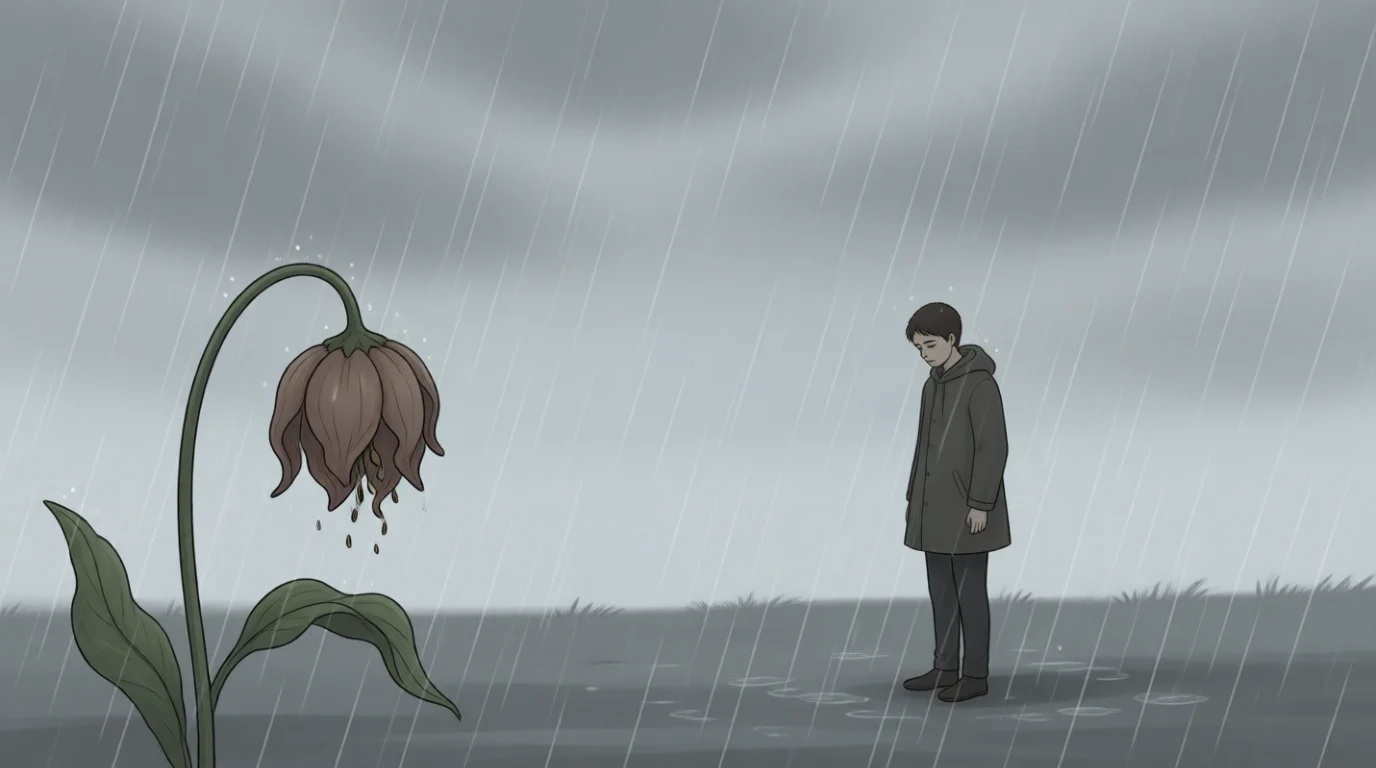
In creative writing, similes are powerful tools. They turn plain feelings into pictures. Instead of saying “He was sad,” you might say, “He was sad like a wilted flower.” That one line feels deeper and more human. This is why writers love creative writing similes they help readers connect fast.
If you are learning how to use similes in writing, you are in the right place. Let’s explore examples of similes that act as a strong metaphor for sad emotions. You will see real simile sentences, learn what they mean, and practice using them yourself.
20 Strong Similes as a Metaphor for Sad
- Sad like a rainy day
Meaning: A dull, heavy sadness
Explanation: Rain often feels slow and gloomy
Examples:
- She felt sad like a rainy day with no sun.
- His voice sounded sad like a rainy day.
- Sad as a wilted flower
Meaning: Loss of hope or energy
Explanation: Flowers droop when they lack care
Examples:
- He sat sad as a wilted flower.
- Her smile faded, sad as a wilted flower.
- Sad like a broken toy
Meaning: Hurt and forgotten
Explanation: Broken toys can’t be enjoyed anymore
Examples:
- The child felt sad like a broken toy.
- His heart felt sad like a broken toy.
- Sad as a lonely cloud
Meaning: Feeling alone
Explanation: A single cloud feels empty in the sky
Examples:
- She drifted sad as a lonely cloud.
- He walked home sad as a lonely cloud.
- Sad like an empty room
Meaning: Deep silence and loss
Explanation: Empty spaces feel hollow
Examples:
- The house felt sad like an empty room.
- His chest felt sad like an empty room.
- Sad as a fallen leaf
Meaning: End of joy
Explanation: Fallen leaves show change and loss
Examples:
- She felt sad as a fallen leaf.
- His laughter dropped, sad as a fallen leaf.
- Sad like a cold night
Meaning: Emotional distance
Explanation: Cold nights feel harsh and lonely
Examples:
- He stared out sad like a cold night.
- Her words felt sad like a cold night.
- Sad as a broken song
Meaning: Interrupted happiness
Explanation: A song cut short feels wrong
Examples:
- His dreams felt sad as a broken song.
- The moment ended sad as a broken song.
- Sad like a sinking boat
Meaning: Overwhelmed by emotion
Explanation: Sinking shows loss of control
Examples:
- His hope felt sad like a sinking boat.
- She cried sad like a sinking boat.
- Sad as a dim candle
Meaning: Weak hope
Explanation: Dim light means fading strength
Examples:
- His smile was sad as a dim candle.
- The room felt sad as a dim candle.
- Sad like a lost puppy
Meaning: Confused sadness
Explanation: Lost pets feel scared and alone
Examples:
- He looked sad like a lost puppy.
- Her eyes were sad like a lost puppy.
- Sad as a cracked mirror
Meaning: Feeling broken inside
Explanation: Cracks change reflections
Examples:
- She felt sad as a cracked mirror.
- His thoughts felt sad as a cracked mirror.
- Sad like a dying fire
Meaning: Fading passion
Explanation: Fire going out shows loss
Examples:
- His joy felt sad like a dying fire.
- The night ended sad like a dying fire.
- Sad as a closed book
Meaning: Shutting down emotionally
Explanation: Closed books hide stories
Examples:
- He became sad as a closed book.
- Her heart stayed sad as a closed book.
- Sad like a torn letter
Meaning: Broken connection
Explanation: Torn letters ruin messages
Examples:
- His goodbye felt sad like a torn letter.
- She read it sad like a torn letter.
- Sad as a gray sky
Meaning: Heavy sadness
Explanation: Gray skies feel dull
Examples:
- The day felt sad as a gray sky.
- His mood stayed sad as a gray sky.
- Sad like a silent bell
Meaning: Lost purpose
Explanation: Bells are meant to ring
Examples:
- He felt sad like a silent bell.
- The moment stayed sad like a silent bell.
- Sad as a wilted rose
Meaning: Lost love
Explanation: Roses often symbolize love
Examples:
- Her heart felt sad as a wilted rose.
- His gift looked sad as a wilted rose.
- Sad like a drained battery
Meaning: No energy left
Explanation: Drained batteries stop working
Examples:
- She felt sad like a drained battery.
- His spirit was sad like a drained battery.
- Sad as a fading echo
Meaning: Slowly disappearing emotion
Explanation: Echoes fade over time
Examples:
- His joy became sad as a fading echo.
- Her laugh sounded sad as a fading echo.
Practice: Try These Simile Exercises
- Complete: Sad like a.
Answer: rainy day.
Explanation: Rain often shows sadness. - Identify the simile: “He felt sad as a broken song.”
Answer: sad as a broken song.
Explanation: Uses “as” to compare. - Choose the best simile for loneliness.
Answer: lonely cloud.
Explanation: Shows isolation. - Fill in: Sad like a fire.
Answer: dying.
Explanation: Shows fading feeling. - Which shows lost hope?
Answer: dim candle.
Explanation: Weak light means weak hope. - Is this a simile? “Sad like night.”
Answer: Yes.
Explanation: Uses “like.” - Complete: Sad as a flower.
Answer: wilted.
Explanation: Wilted shows loss. - Which simile shows confusion?
Answer: lost puppy.
Explanation: Puppies get scared when lost. - Find the simile: “Her heart was sad like an empty room.”
Answer: sad like an empty room.
Explanation: Clear comparison. - Write one word to finish: Sad as a gray.
Answer: sky.
Explanation: Gray skies feel heavy.
Conclusion
Strong similes turn simple feelings into clear pictures. A good metaphor for sad emotions helps readers feel what the writer feels. When you understand the meaning of similes, writing becomes easier and more fun. You can turn plain sentences into powerful simile sentences with just a few words.
Now you know how to use similes in writing, spot them in stories, and create your own. For example, think about how sadness feels to you, then compare it to something you know. Keep practicing creative writing similes, and your words will grow stronger every day.