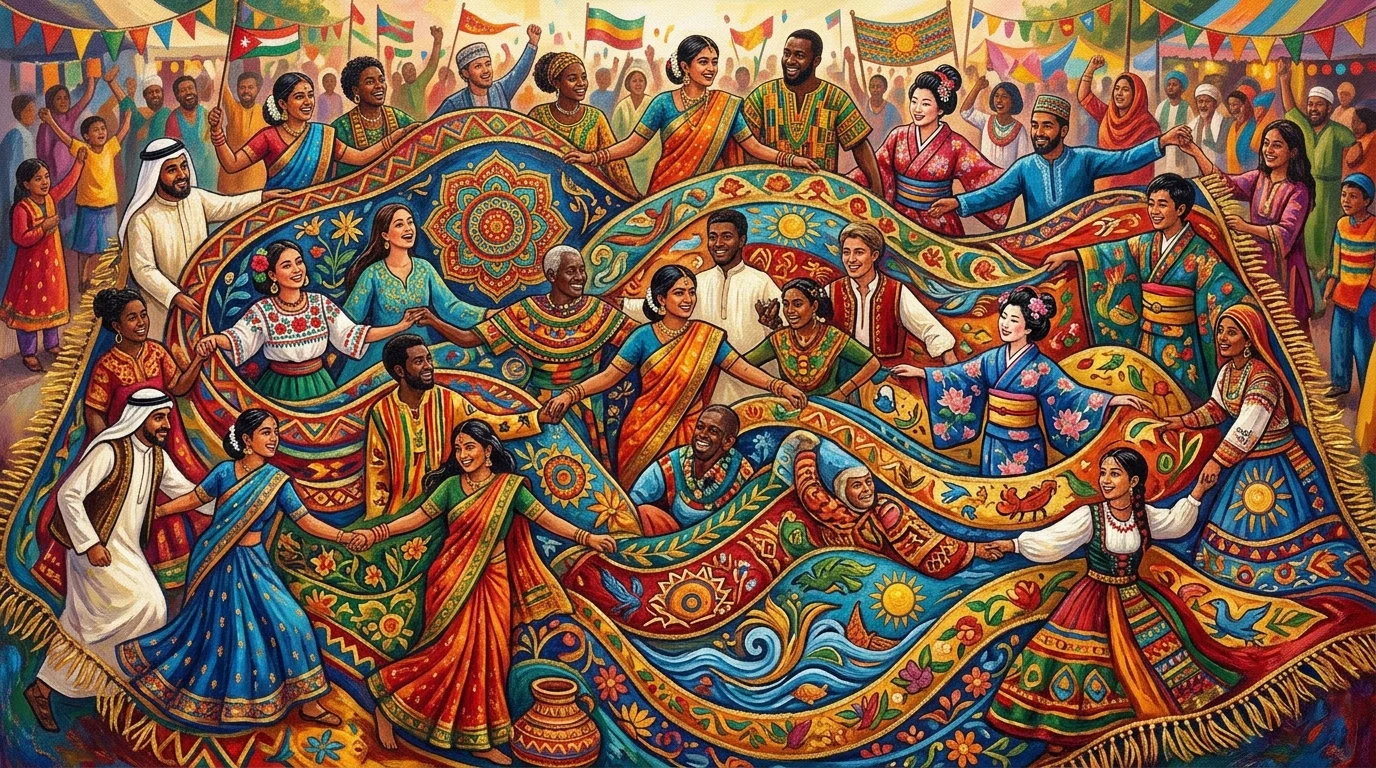
In simple terms, a simile compares two things using words like “like” or “as,” while a metaphor says one thing is another. Both help explain ideas in a clear and simple way. For example, you might say, “culture is a tapestry.” This gives a strong picture of many parts woven together.
Metaphors and creative writing similes make big ideas easier to understand. Culture can feel complex, but with the right comparison, it becomes simple and relatable. That’s why they matter in writing—they turn abstract ideas into clear images.
If you want to improve your writing, learning how to use similes in writing is a great step. Let’s explore examples of similes and strong metaphors for culture, understand the meaningaof similes, and practice using them in real simile sentences.
25 Strong Metaphor for Culture (With Meaning & Examples)
- Culture is a tapestry
Meaning: Made of many parts
Explanation: Different traditions woven together
Examples: Culture is a tapestry of beliefs. Each thread tells a story. - Culture is a bridge
Meaning: Connects people
Explanation: Links different groups
Examples: Culture is a bridge between nations. It brings people closer. - Culture is a mirror
Meaning: Reflects society
Explanation: Shows values and habits
Examples: Culture is a mirror of people. It reflects who we are. - Culture is a river
Meaning: Always changing
Explanation: Flows over time
Examples: Culture is a river of traditions. It keeps moving forward. - Culture is a tree
Meaning: Deep roots
Explanation: Grows over time
Examples: Culture is a tree with strong roots. It grows with generations. - Culture is a map
Meaning: Guides behavior
Explanation: Shows how to live
Examples: Culture is a map of life. It guides our actions. - Culture is a language
Meaning: Way of expression
Explanation: Shows identity
Examples: Culture is a language of people. It speaks without words. - Culture is a garden
Meaning: Needs care
Explanation: Grows with attention
Examples: Culture is a garden of traditions. It blooms with care. - Culture is a story
Meaning: Shared history
Explanation: Passed down over time
Examples: Culture is a story we share. Each generation adds a chapter. - Culture is a compass
Meaning: Guides choices
Explanation: Helps decision-making
Examples: Culture is a compass in life. It shows right and wrong. - Culture is a mosaic
Meaning: Many pieces
Explanation: Different parts form one whole
Examples: Culture is a mosaic of diversity. Each piece matters. - Culture is a flame
Meaning: Passed on
Explanation: Shared between people
Examples: Culture is a flame of tradition. It keeps burning through time. - Culture is a home
Meaning: Sense of belonging
Explanation: Comfort and identity
Examples: Culture is a home for identity. It gives us roots. - Culture is a song
Meaning: Expression and rhythm
Explanation: Full of emotion
Examples: Culture is a song of people. It carries their voice. - Culture is a fabric
Meaning: Interconnected
Explanation: Threads form a whole
Examples: Culture is a fabric of life. Every thread is important. - Culture is a seed
Meaning: Starts small
Explanation: Grows over time
Examples: Culture is a seed of identity. It grows with care. - Culture is a shadow
Meaning: Always present
Explanation: Follows people
Examples: Culture is a shadow of society. It stays with us. - Culture is a book
Meaning: Full of knowledge
Explanation: Stories and lessons
Examples: Culture is a book of history. It teaches us who we are. - Culture is a road
Meaning: A path to follow
Explanation: Leads behavior
Examples: Culture is a road of tradition. It guides our steps. - Culture is a lens
Meaning: Shapes how we see
Explanation: Influences perspective
Examples: Culture is a lens on life. It shapes our view. - Culture is a puzzle
Meaning: Complex system
Explanation: Many parts fit together
Examples: Culture is a puzzle of customs. Each piece has meaning. - Culture is a heartbeat
Meaning: Core of society
Explanation: Keeps it alive
Examples: Culture is the heartbeat of a nation. It keeps identity alive. - Culture is a web
Meaning: Connected system
Explanation: Everything linked
Examples: Culture is a web of traditions. All parts connect. - Culture is a light
Meaning: Shows direction
Explanation: Guides people
Examples: Culture is a light in society. It shows the way. - Culture is a foundation
Meaning: Base of society
Explanation: Supports everything
Examples: Culture is a foundation of life. It holds everything together.
Practice Section: Try These Exercises
Let’s explore and practice creative writing similes and metaphors.
Questions
- Culture is a ______ (many parts together).
- Culture is like a ______ (grows over time).
- Culture is a ______ (guides choices).
- Fill in: “Culture is a ___ of traditions.”
- Which metaphor shows connection? a) Bridge b) Shadow
- A “culture is a river” means?
- Fill in: “Culture is a ___ of identity.”
- Which is a correct simile? a) Culture strong b) Culture like a garden
- A “mosaic” culture suggests what?
- Write your own metaphor for culture.
Answers with Explanation
- Tapestry many parts
- Tree grows
- Compass guides
- Garden growth
- a) Bridge connects
- Always changing flowing idea
- Seed identity growth
- b) uses “like” correctly
- Diversity many pieces
- Your answer any creative idea works!
Conclusion
Using a strong metaphor for culture makes complex ideas simple and clear. It helps readers understand identity, traditions, and values in an easy way. Instead of plain words, you create vivid images that stay in the reader’s mind.
As you’ve seen in these examples of similes and metaphors, small comparisons can make a big difference. The key is to keep your ideas simple and meaningful. You might say something basic, but if it paints a clear picture, it works well.
Keep practicing, and soon you’ll use simile sentences and metaphors naturally in your writing.